El Paredón Guatemala is a small surf town on the Pacific coast known for black sand beaches, beginner-to-intermediate waves, and one of the most social backpacker scenes in Central America.
This guide breaks down what El Paredón is actually like — including surfing, hostels, nightlife, costs, and how it fits into your Guatemala itinerary.
I thought I’d stay in El Paredón for two, maybe three days.
It’s the kind of place that shows up on your itinerary as a quick stop—not somewhere you accidentally lose over a week.
Eight days later, I was still there.
Not because there’s loads to do. Not because it blows you away the moment you arrive. But because El Paredón has this way of pulling you into a routine—and once you’re in it, leaving starts to feel like a bad idea.
If you’re planning your route through Guatemala, this is usually a short stop between bigger destinations — I break down how it fits into different trip lengths in my Guatemala itinerary guide.
If you’re deciding whether to include it, I break down whether El Paredón is actually worth visiting here.
Quick Facts About El Paredón Guatemala
- Location: Pacific Coast of Guatemala
- Best for: Surfing, social hostels, nightlife, slow travel
- Not for: Luxury, culture-heavy travel
- How long to stay: 2–3 days… realistically 5–10
- Cost: Hostels ~$10–20 | Meals ~50–100Q | Shuttle ~190Q
- Vibe: Dusty, social, surf-town energy
Quick Guide to This Article
- What El Paredón Guatemala is really like
- The daily routine that makes you stay longer
- Best things to do in El Paredón
- Surfing in El Paredón (honest reality)
- Nightlife and social scene
- Where to stay (Mellow, Cocori, Driftwood)
- Best places to eat
- How to get there
- El Paredón sunsets
- Volunteering in El Paredón
- Final verdict + FAQs
What El Paredón Guatemala Is Really Like (First Impressions vs Reality)
My first reaction when I arrived was… this is it?
After a few days in Lake Atitlán, it felt almost underwhelming. One paved road. Everything else sand. Small, spread out, and pretty basic.
It didn’t scream “stay here a week.”
But El Paredón isn’t a place that hits immediately—it grows on you. Fast.
Once you settle in, meet people, and fall into the rhythm of the place, it completely changes.
If you’re deciding whether to include it, this shows how El Paredón fits into a 2 week Guatemala itinerary and whether it’s worth the detour.
The Daily Routine in El Paredón (Why People Stay Longer Than Planned)
Most days looked something like this:
- Early morning surf
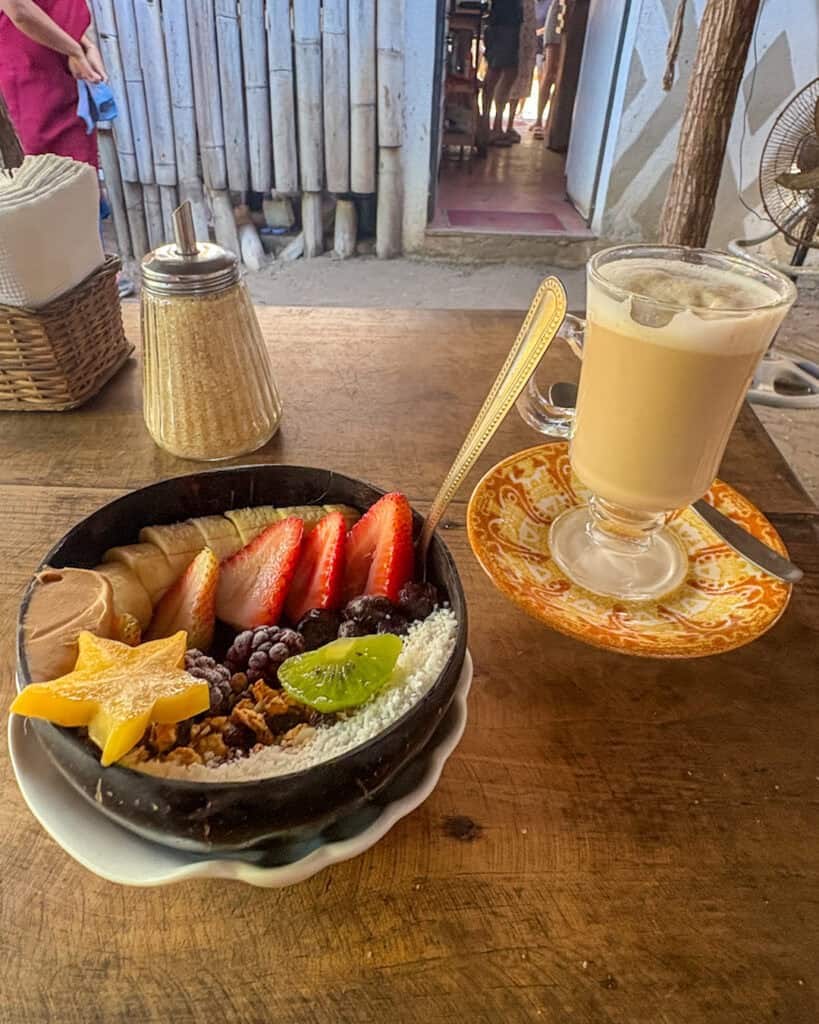
- Açai bowl + coffee
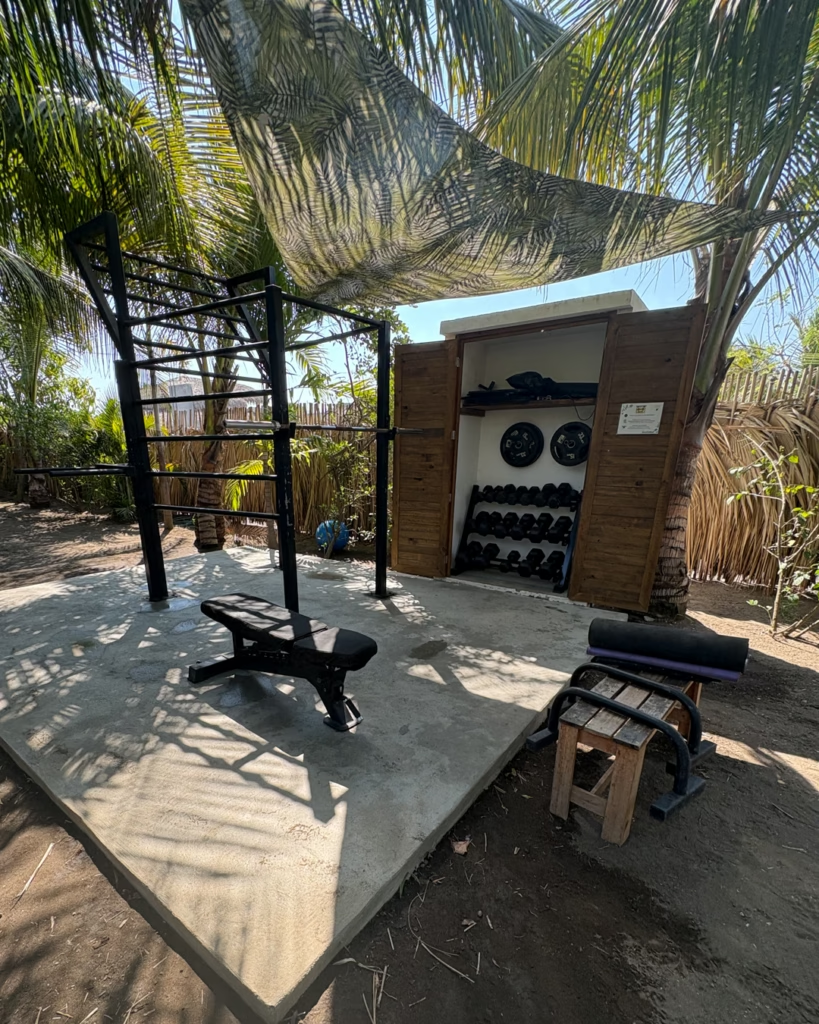
- Gym or a bit of work
- Lunch
- Chill / socialise
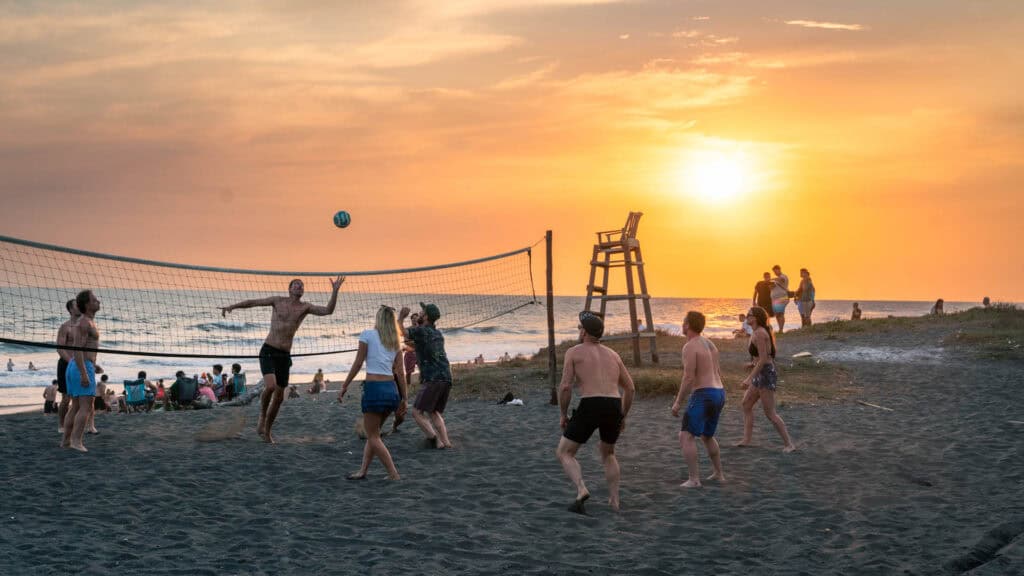
- Volleyball
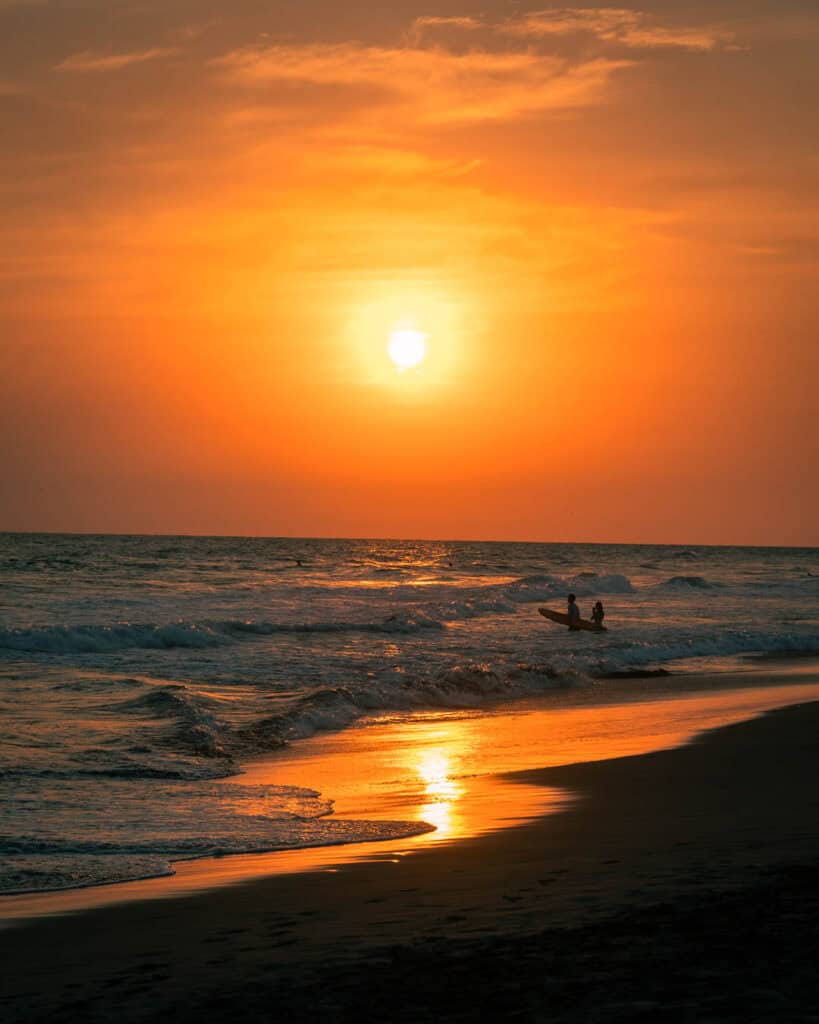
- Sunset
- Party (optional… but rarely skipped)
Everything is walkable. Shoes feel optional. Time stops mattering.
And then there’s the thing that really keeps you there: everyone gets stuck together.
You’ll hear someone say they’re leaving tomorrow… and then see them again two days later because they extended.
Best Things to Do in El Paredón Guatemala
At first glance, it feels like there’s not much to do here.
And technically… that’s true.
But El Paredón isn’t about ticking off activities — it’s about falling into a routine that somehow fills your entire day without trying.
I don’t think I had a single day that didn’t follow this exact pattern — even when I told myself I’d do something different.
Surfing (the main reason people come)
Surfing is the core activity here — whether you’re learning or already comfortable in the water.
Most people go out early morning when conditions are best, with board rentals available directly through hostels for around 150Q per day.
If you’re only planning to surf once (morning or sunset), there’s also a small surf shop just past Cocori Lodge renting boards for 75–100Q for a few hours, which works out cheaper.
Even if you only plan to try it once, it quickly becomes part of your daily routine.

Volleyball at sunset
Every evening, people gather on the beach for volleyball — usually around Driftwood.
This isn’t just a casual knock-around either — it’s organised chaos in the best way.
- 6 vs 6
- Played to 15 or 21 points
When a team loses, they’re off — and the next team is decided by whoever gets onto the court first.
If you want to play, stay nearby and listen for “match point” — that’s your only real chance to get on the court.
There’s usually a mix of locals and backpackers, so even if you don’t know anyone, you’ll get pulled into games quickly.
Hostel life (this is where your day actually happens)
Most of your time ends up spent at hostels — whether you’re staying there or not.
- Mellow: gym, pool, ping pong, more active/social energy
- Cocori: sunbathing, pool, more relaxed feel
You’ll naturally rotate between them depending on your mood — and who you’ve met.
Cafés and the “productive morning”
There’s a surprisingly consistent routine here: surf, coffee, açai bowl, gym or work.
Places like Cafecito del Mar become part of your daily loop — not because you planned it, but because everyone ends up there.
Boat “party” (not what you expect)
You might hear about the boat party — but it’s not a typical one.
It’s held on the same vehicle transporter used to bring cars across the river into El Paredón.
It looked fun, but also a bit chaotic — and not something I personally felt like I missed by skipping.
Turtle releases & other activities (seasonal)
There are also turtle releases and a few other activities around the area, but these are very season-dependent.
Doing absolutely nothing (and being weirdly busy doing it)
This is the real activity.
You’ll have days where you surf, eat, hang out, play volleyball, and go out — and somehow feel like you’ve done loads.
Then other days where you do almost nothing — and still don’t get bored.
Surfing in El Paredón Guatemala (What It’s Actually Like)
The surf here is good—but not always in the way you expect.
- The best conditions were early morning
- Waves often broke very quickly, making them harder to get onto
- Swells felt inconsistent day to day
There’s also a strong current running along the beach.
Locals joked about it being a “free ride to El Salvador.”
And they weren’t wrong—one minute you’re in front of your hostel, the next you’ve drifted hundreds of metres down the beach without noticing.
El Paredón Nightlife: What It’s Actually Like
Everywhere else in Guatemala — and even across Central America — nights tend to end early.
El Paredón doesn’t.
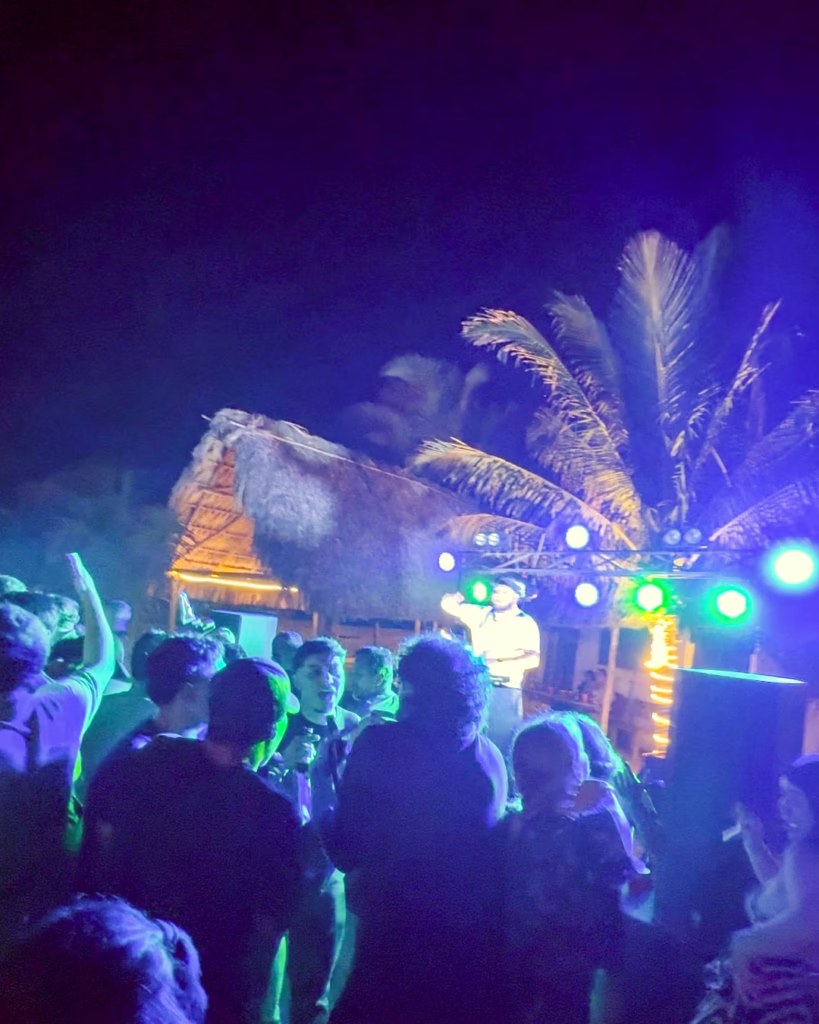
Here, going out until 4–5am is normal.
I didn’t go out every night at first — and then without really noticing, I was.
Where the nights actually happen
The main nights rotate between Mellow, Driftwood, and beach clubs like Rosa Jamaica.
There’s usually something happening almost every night — from beer pong tournaments to techno or house parties and themed events.
The afterparty
No matter where the night starts, it almost always ends at a small beach bar between Cocori and Driftwood.
- Free entry during the week
- Paid entry on Saturdays
- Peak time: 1–2am
The rhythm of a typical night
- Starts around 7–8pm
- Builds through the evening
- Peaks around 1–2am
- Ends anywhere from 2–5am
It’s very easy to say you’ll leave early — and not.
The vibe
- Driftwood: most party-heavy
- Mellow: social, in-between
- Cocori: more chilled
You keep seeing the same people, nights blur together, and suddenly staying longer feels inevitable.
One beer turns into seven… and suddenly you haven’t surfed in four days.
Where to Stay in El Paredón Guatemala (Best Hostels)
El Paredón is almost entirely built around hostels — and where you stay will shape your entire experience here.
I stayed at Mellow, ended up spending time at Cocori anyway, and somehow still found myself at Driftwood most evenings.

Mellow Hostel
Very social, with events every night and a well-equipped gym.
Typical price: ~14–18 USD
Cocori Hostel
Slightly more polished, with a pool and a more relaxed feel.
Typical price: ~17–22 USD
Driftwood Hostel
The budget and party option, right on the beach where volleyball happens.
Typical price: ~10–15 USD
Which hostel should you choose?
- Mellow: best overall balance
- Cocori: more polished
- Driftwood: cheapest + most social
These are honestly some of my favourite hostels in all of Guatemala.
They are slightly more expensive than other parts of the country though, so it’s worth factoring that in.
Best Places to Eat in El Paredón Guatemala
The Best Taco Stand in El Paredón
This place doesn’t even seem to have a name.
It’s just past the Super 24—and it’s easily the best food I had.

My go-to order was tacos de pulpo (2 for 30Q) or tacos al pastor (3 for 25Q).
When I was there, they were in the process of expanding—adding a roof, proper tables, and a small fence—so I expect it to look completely different by the time I go back.
Malibu Bistro
A small spot serving great bagels, run by a genuinely friendly local who loves a chat and has a tradition of taking a selfie with his first customer every day.
Cafecito del Mar
Best açai bowls and coffee in town—and a core part of the daily routine.
Other Restaurants & Food Courts
There are a few small food courts offering sushi, burgers, and more.
One of them serves impeccable piña coladas—which long-term readers will know is enough for me to recommend it.
Mellow and Cocori also serve good food, just slightly more expensive than local spots.
How to Get to El Paredón Guatemala
I took a shuttle from Lake Atitlán (190Q), although many routes also connect through Antigua, which is one of the main transport hubs in Guatemala.

The final stretch involves crossing a river by boat.
We ended up doing it at sunset, watching the sky change over the water—it felt like a preview of what was coming.
And it delivered.
El Paredón Sunsets: What Makes Them So Special
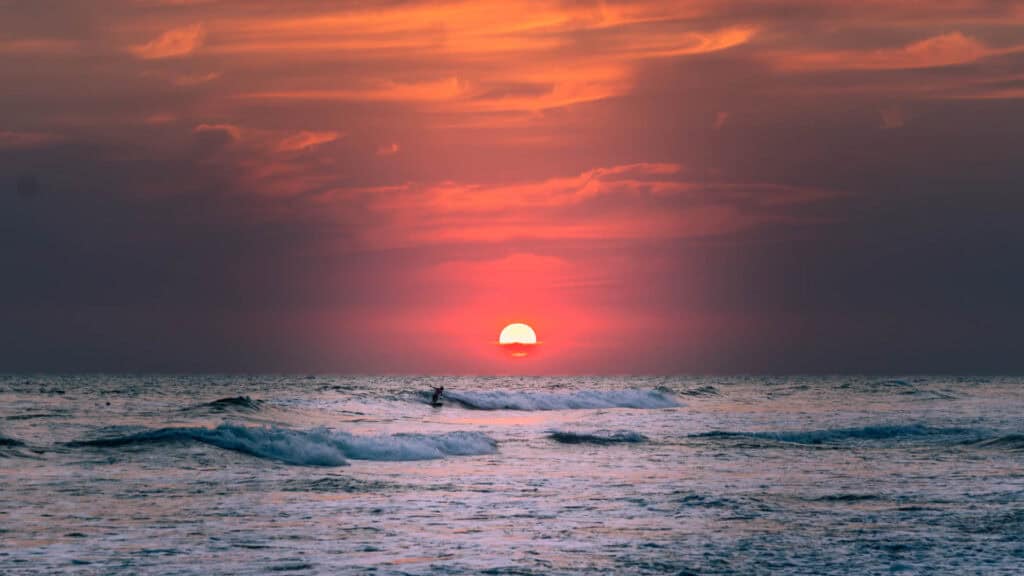
The sunsets here are ridiculous—and somehow still feel underrated.
Every evening follows the same perfect sequence: yellow, to orange, to deep red.
Rarely cloudy. Almost always clear. And consistently good every single night.
Some nights you’re playing volleyball as the sky changes behind you, then jumping straight into the sea.
Other nights you’re just sitting on the beach, watching surfers silhouetted against the horizon.
It never really misses.
Volunteering in El Paredón Guatemala
If you’re travelling through Central America long-term, El Paredón comes at the perfect time.
By now, you’ve probably spent weeks moving around Guatemala and Belize, constantly packing and unpacking.
This is where people stop.
Volunteering here gives you routine, community, and a break from constant travel—while also saving money.
It’s easy to see why people end up staying weeks… or longer.
Honestly, I’m saving it for a future version of myself: quit my job, come back, volunteer at a hostel, and just live this life for a while.
Is El Paredón Guatemala Worth Visiting?
If you’re planning a wider trip through Guatemala, El Paredón is one of those places that’s easy to underestimate—but hard to leave.
It’s worth it if you want a social, easygoing place to slow down, with a mix of surfing, partying, and routine.
But not if you’re looking for perfect surf every day or deep cultural experiences.
For me, it ended up being my favourite surf town in Central America.
I thought I’d get bored.
I never did.
Where to look next
If you’re planning your route through Guatemala, these guides will help you decide where to go before and after El Paredón:
Guatemala Itinerary
Plan your full route through Guatemala and decide how El Paredón fits into your trip.
Lake Atitlán
Most travellers arrive in El Paredón after Lake Atitlán — here’s what it’s actually like and how long to stay.
Antigua Guatemala
Antigua is the main hub for transport and volcano hikes — most routes through Guatemala pass through here.


FAQs About El Paredón Guatemala
Is El Paredón Guatemala safe?
Yes—overall it felt very safe. The main risks are the ocean currents and, realistically, partying a bit too hard.
How many days should you spend in El Paredón?
Most people plan to stay 2–3 days, but it’s very common to stay much longer. I stayed 8 nights without getting bored.
When is the best time to visit El Paredón?
The dry season (November to April) is the best time, with consistent sun and great beach weather.
Is El Paredón worth visiting?
Yes—if you’re looking for a social, surf-focused place to slow down. Less so if you want culture or a packed itinerary.
How expensive is El Paredón Guatemala?
El Paredón is slightly more expensive than most places in Guatemala, mainly due to hostel pricing and its remote location. You can still travel cheaply, but costs add up quickly if you stay longer than planned.
→ See a full breakdown of costs here: Guatemala travel budget guide
How do you get to El Paredón Guatemala?
Most travellers reach El Paredón by shuttle from Antigua or Lake Atitlán. The final part of the journey involves crossing a river by small boat, which is included in most shuttle routes.
Is El Paredón good for beginner surfers?
El Paredón can be good for beginners, but conditions aren’t always easy. Waves break quickly and there’s often a strong current, so it’s best to take a lesson if you’re new.
Why do people stay so long in El Paredón?
Most people arrive planning to stay a few days, then extend. The combination of surfing, social hostels, and an easy daily routine makes it very easy to lose track of time and stay longer than expected.