I spent 3 days here as part of an overland Central America trip, following on from my El Salvador itinerary.
It ended up being the place that made the country make sense.
It’s not built for tourists. It’s not polished. It doesn’t try to be easy.
And that’s exactly why it stands out.
If you’re still figuring out whether the country as a whole is actually worth the trip, I’ve broken that down here: is El Salvador worth visiting.
El Tunco gives you the social, surf, easy side of El Salvador.
Santa Ana shows you what the country actually is.
Quick Facts
- Time needed: 3–4 nights (ideal)
- Best for: Culture, volcano hikes, understanding El Salvador
- Cost: Very cheap (hostels ~£6, food <$2, activities low-cost)
- Vibe: Local, calm, slightly guarded, quietly social
Quick Guide to This Article
- Why Santa Ana is worth visiting
- What it actually feels like
- The most insightful experience (walking tour)
- Things to do
- Food + pupusas
- Where to stay
- Logistics
- Downsides
Why Visit Santa Ana
Santa Ana was the most culturally interesting place I visited in El Salvador—and the one that actually made the country make sense. It’s not built for tourists. It’s not polished. It doesn’t try to be easy. And that’s exactly why it stands out. El Tunco gives you the social, surf, easy side of El Salvador. Santa Ana shows you what the country actually is.This is also one of the cheapest parts of the trip—if you’re budgeting, here’s a full breakdown of what I actually spent in El Salvador.
What Santa Ana Actually Feels Like
Santa Ana feels like a normal, local city—but one that carries its recent history just under the surface.
It’s calm, but not carefree.
You notice it in small ways at first. Walking around, things don’t quite present themselves openly. Cafés don’t spill out onto the street—you find yourself checking Google Maps, walking past places, doubling back, realising the entrance is tucked behind a door you wouldn’t normally try.
At one point it took me three attempts to find a café I knew was there.
Then there are the other details. Police standing in the street in the middle of the day, holding rifles. Doors that feel heavier than they need to be. Spaces that feel deliberately hidden rather than inviting.
At first, it just feels slightly off.
Later, it starts to make sense.
This is also why I recommend prioritising Santa Ana in your route—I break that down properly in my El Salvador itinerary.
The Most Insightful Experience in El Salvador (Walking Tour)
This wasn’t just the highlight of Santa Ana—it was the experience that shaped how I understood the entire country.
I didn’t plan it.
I’d gone out for coffee after a slow morning and happened to bump into a group starting a free walking tour with a local guide called Hector. I joined on the spot.
It ended up being the most valuable few hours of the trip.
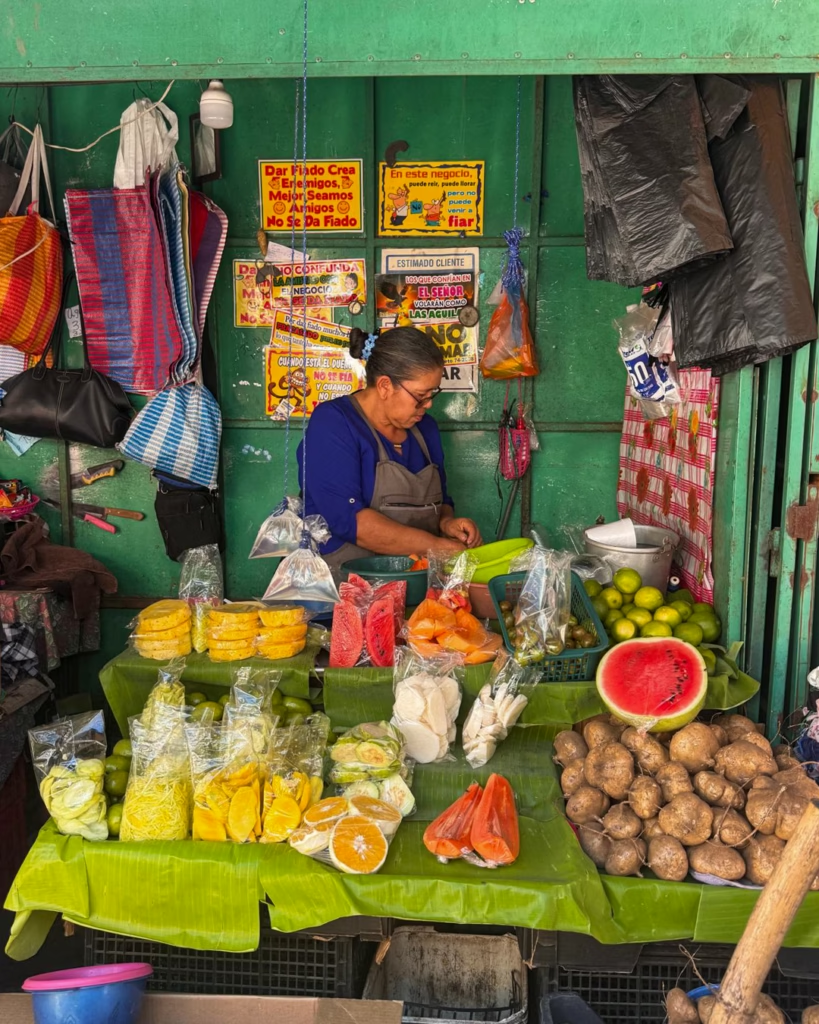
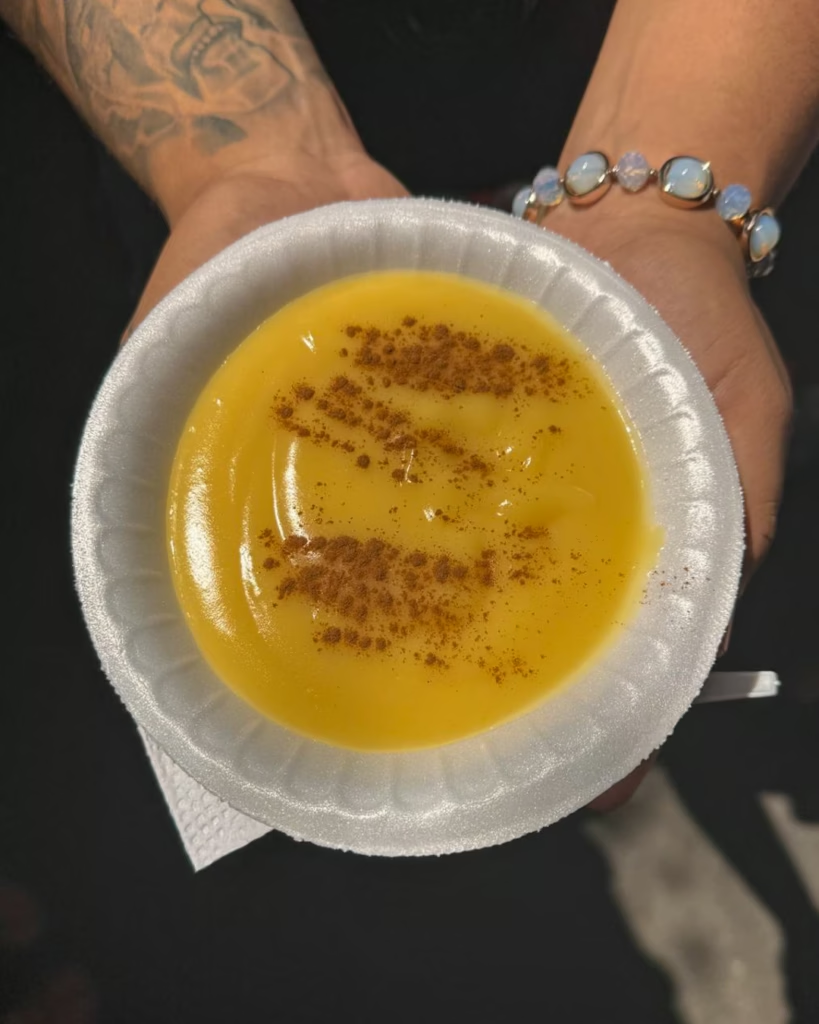
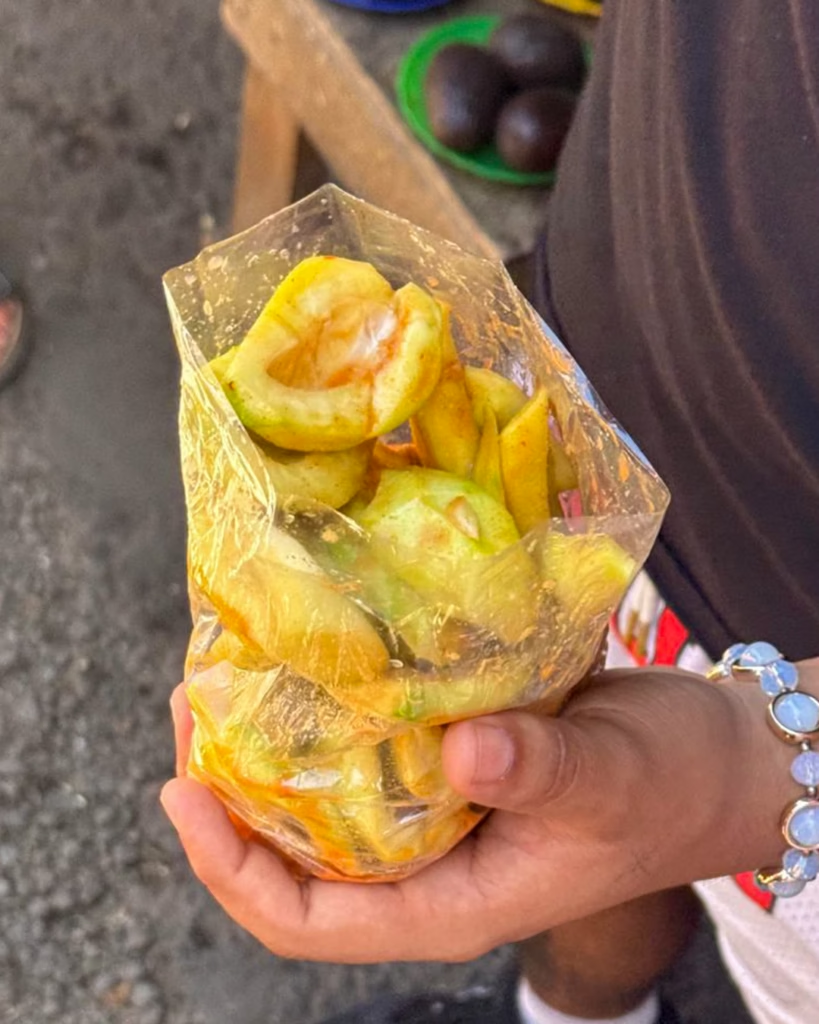
It didn’t feel like a typical walking tour. It felt like being gradually introduced to a place in a way you wouldn’t access on your own. We moved through markets, trying fruits I didn’t recognise, tasting local snacks, stopping at small food spots that I would’ve walked straight past without noticing.
Hector had a simple system—he placed small walking tour stickers on places he recommended. His friend, another guide, did the same. If you saw both stickers on a stall or café, that was essentially confirmation you were looking at a genuinely good local spot.
The tour built slowly. It wasn’t rushed, and it wasn’t surface-level.
The moment everything shifted was when we stepped into a quiet courtyard of a café.
Up until then, it had been interesting—but still within the boundaries of what you expect from a tour.
Then Hector explained that there were things he wouldn’t talk about openly in the street. Here, in private, we could ask anything.
The conversation changed immediately.
We started asking about gang culture, what life had actually been like, how widespread it was, and how things have changed. He answered everything carefully and honestly, with a level of nuance you don’t usually get from guides.
And the fact that he needed privacy to do that said just as much as the answers themselves.
The moment that changes everything:
When you realise how few men in their 20s–30s are in the streets and markets, you start to understand that El Salvador’s recent history isn’t just something you read about—it’s something you’re still seeing the effects of.
Later, in the market, he asked us to look around and find men aged roughly 20–30.
At first it felt like a strange question. Then you start properly looking. And then you realise—you’re struggling to find them.
He explained that a large portion of that demographic is either imprisoned or gone as a result of the country’s recent history.
From that point on, everything else started to click. The guarded entrances. The visible police. The overall feeling of the place.
It stopped being abstract history and became something very present.
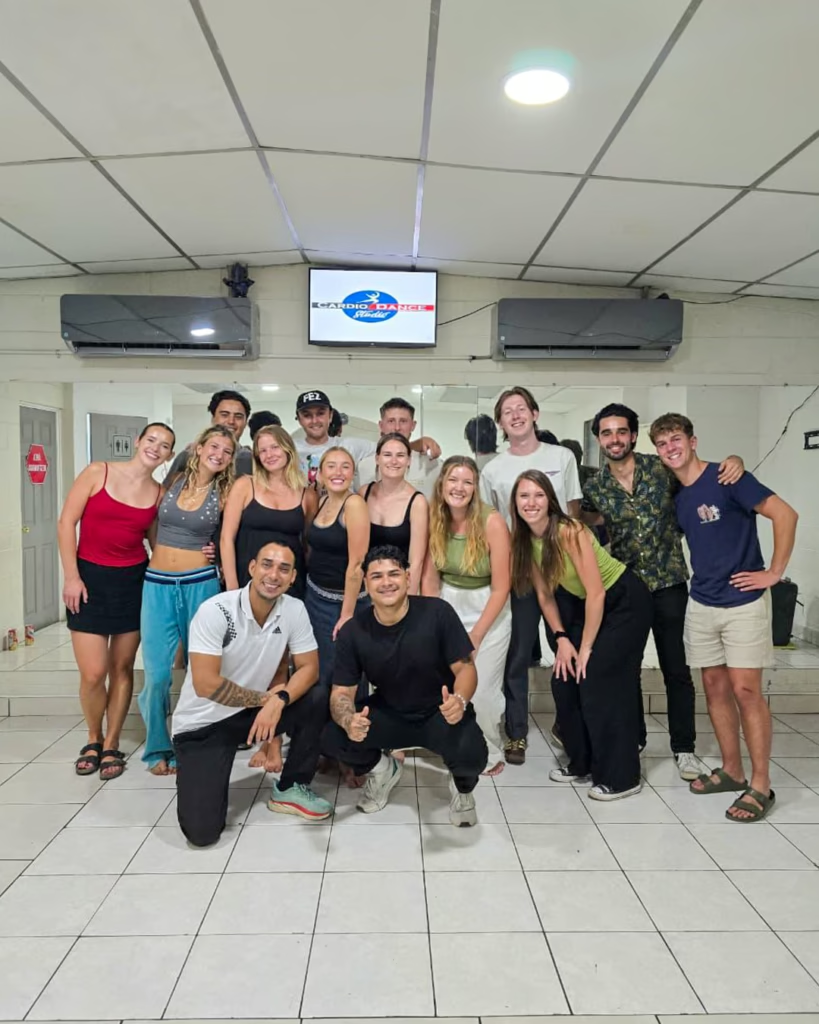
The tour didn’t really end when it finished either. It naturally rolled into the evening. A group of us went for drinks, which turned into a salsa class Hector organised, and then into a night out at the Chicken Bus Bar—a speakeasy-style place where you enter through the back of an old chicken bus.
It was one of those rare situations where a tour turns into a full social experience without being forced.
Things to Do in Santa Ana, El Salvador
Santa Ana Volcano Hike
The volcano is the main reason most people come to Santa Ana—and it is worth doing.
You have to get up early and make your way to the bus station around 7am to catch the first bus. It’s a standard chicken bus experience—cheap, slightly chaotic, locals hopping on and off, people selling things through the windows.
If you’re planning your route, this is one of the key days I built into my El Salvador itinerary.
Once you arrive at the park, everyone gets off, pays the entry fee, pays for a guide, and then you all head up together in one large group.
The hike itself is easy, but the pacing is slow due to constant stops.
Worth it?
Yes—but mainly for the crater. The forced group and slow pace take away from it slightly, but it’s still one of the most unique landscapes in the country.
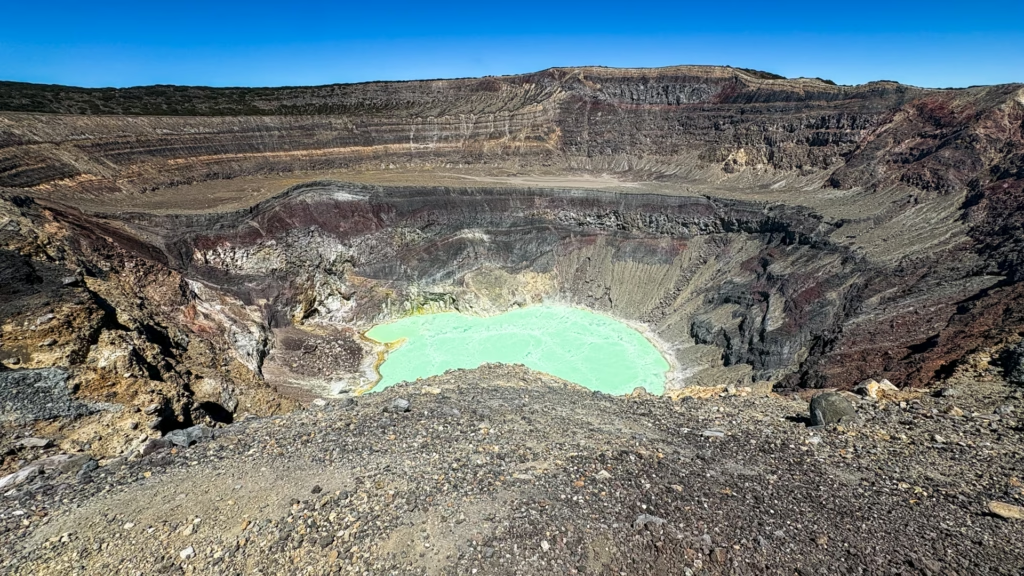
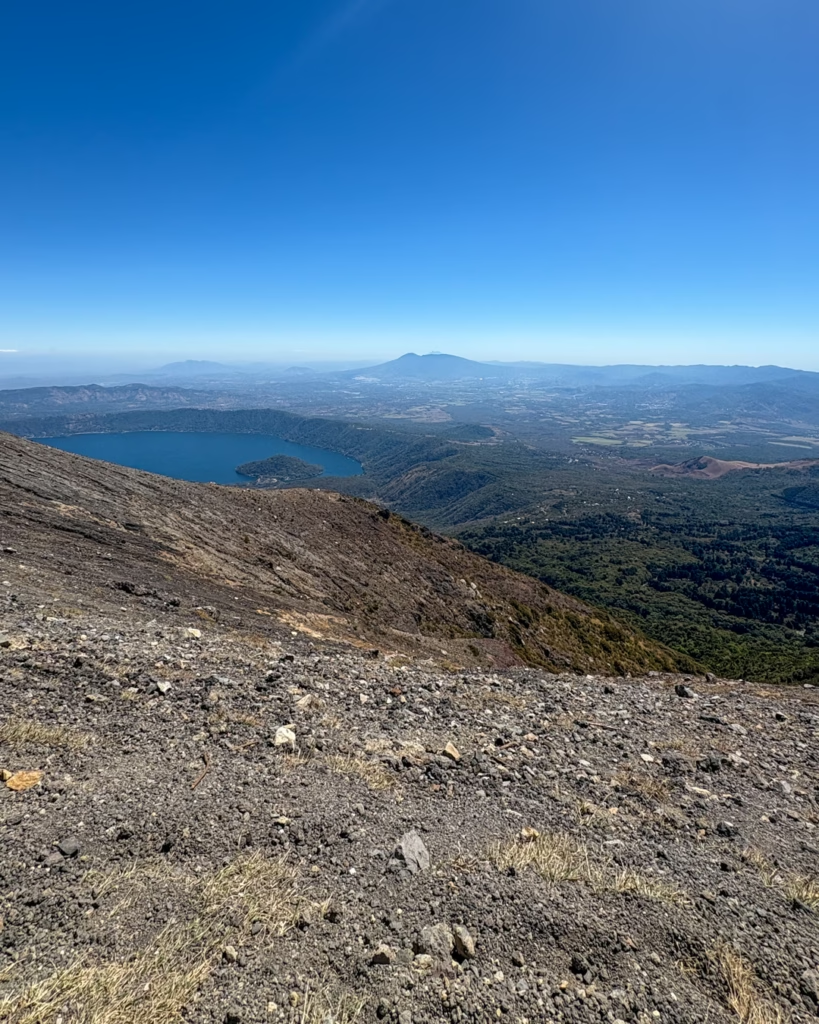
Then you reach the crater.
It’s deeper than you expect—almost unsettling to look at. There’s a sharp smell rising from below, and at the bottom sits this bright, almost unnatural-looking lake.
People edge closer than they probably should, stepping past poorly maintained barriers.
Standing there, looking down, it’s very clear: if you fall in, you’re not getting back out.
Cathedral Rooftop
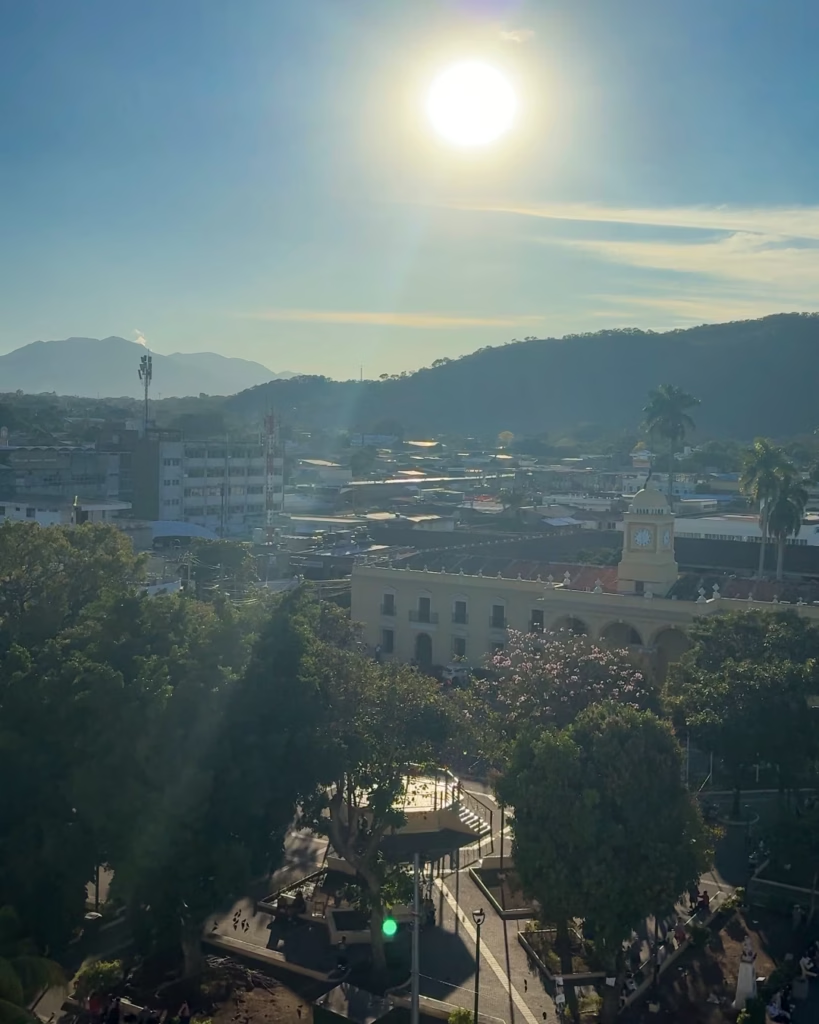
Inside the cathedral, there’s a staircase leading up to the rooftop, with a small entrance fee paid at the top.
I went up just before sunset, stayed too long, and ended up locked in—banging on the door in the dark until someone let me out.
Still worth it for the view.
Pupusas & Local Food
Pupusas are everywhere in Santa Ana, and you’ll eat them constantly.
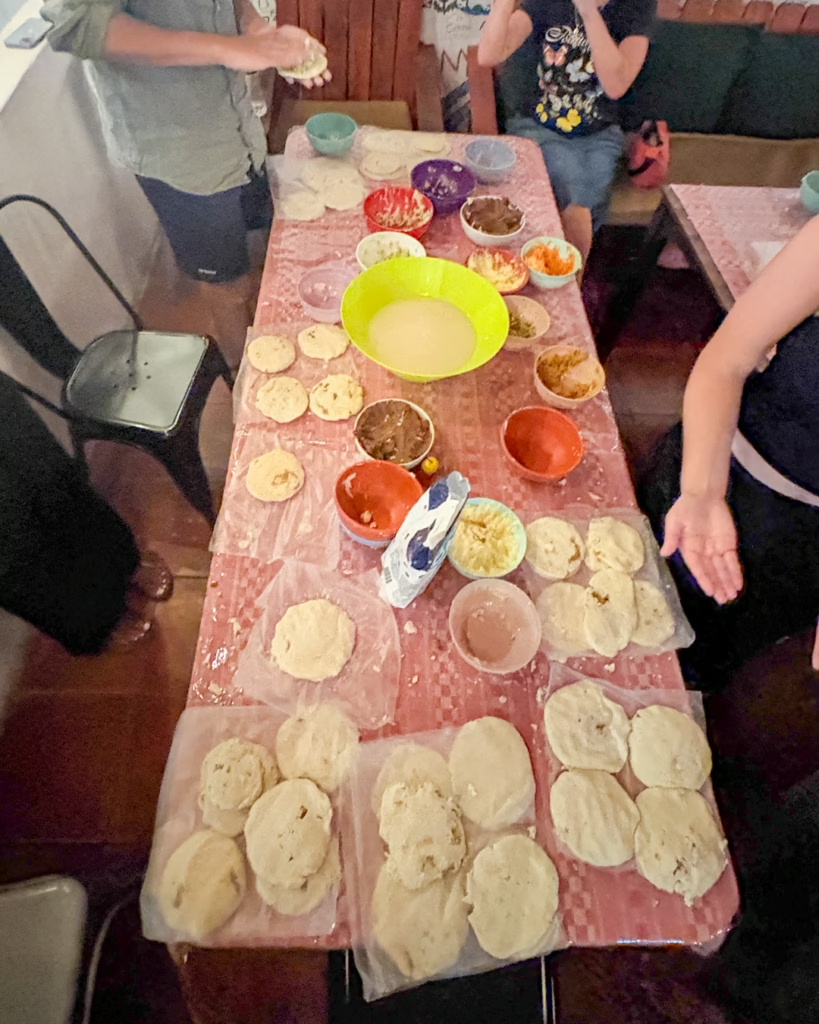
They’re simple, cheap, and consistently good—but they got significantly better for me after doing a pupusa-making class.
How to eat pupusas properly:
Slightly open the middle to let the steam out, then add the vegetable mix and salsa on top. It makes a noticeable difference.
You learn quickly they’re not as easy to make as they look.
More importantly, you learn how you’re supposed to eat them properly.
You slightly open the middle to let the steam out, then add a mix of vegetables and salsa on top. I avoided that at first, but after the class—and understanding what goes into them—I started doing it every time.
For my taste, it made them significantly better.
Ruta de las Flores & 10 Waterfalls
This is the main thing I didn’t do—and probably should have.
About an hour away, the Ruta de las Flores is a chain of towns known for coffee, food, and local culture. Juayúa is a common base, and from there you can also do the 10 Waterfalls hike.
You can visit as a day trip from Santa Ana, or stay a couple of nights to explore properly.
If I did this again, I’d split my time between Santa Ana and this region.
What Your Days Actually Look Like
Santa Ana naturally pushes you into an early routine.
You wake up, go out, and do whatever you’ve planned for that day—whether that’s the volcano, the walking tour, or heading out towards somewhere like Juayúa.
Everything meaningful happens earlier in the day.
Afternoons slow down, and evenings are low-key. You end up in small groups, going for drinks, or just staying in.
It’s not somewhere that fills your time for you.
It’s somewhere you settle into.
Where I Stayed
Urban Nest Hostel
~£6 per night
– Privacy curtains +plug sockets + personal light
– Social but not party atmosphere.
Downsides
This isn’t for everyone:
If you’re looking for an easy, social, or polished travel experience, Santa Ana will feel underwhelming. It’s a place for understanding, not just enjoying.
Santa Ana isn’t designed to be easy.
There’s not a huge amount to do within the city itself, and much of its value comes from specific experiences rather than constant activity.
It also doesn’t feel as immediately comfortable as more tourist-focused places. Even if it’s just as safe as somewhere like Guatemala, it doesn’t always feel that way.
You’re more aware. More switched on.
FAQs About Santa Ana, El Salvador
How many days do you need in Santa Ana?
3–4 days is ideal. This gives you enough time to do the volcano hike, walking tour, and explore nearby areas like Ruta de las Flores.
Is Santa Ana safe for tourists?
It felt safe overall, but not in a relaxed way. There’s still a visible security presence, and you’re more aware of your surroundings.
Is Santa Ana worth visiting?
Yes—especially if you want to understand El Salvador beyond the surface. It’s the most culturally insightful stop in the country.
Can you visit Ruta de las Flores from Santa Ana?
Yes. It’s about an hour away and can be done as a day trip, although staying in places like Juayúa gives you more time.
Final Thoughts
If you’re coming to El Salvador, you should be doing both Santa Ana and El Tunco.
They balance each other out.
One gives you the easy, social side of travel.
The other gives you context, depth, and a much clearer understanding of the country you’re actually in.
Santa Ana is what made El Salvador make sense for me—but whether that translates into the country being worth visiting overall depends on what you’re looking for. I’ve broken that down properly here: is El Salvador worth visiting.