But it doesn’t feel like effortless safety — it feels safe because it’s heavily controlled.
And that distinction matters.
If you’re asking “is El Salvador safe?”, the honest answer is:
- Yes — especially in the main tourist areas
- But it feels structured rather than naturally relaxed
This guide breaks down exactly what that looks like on the ground, based on my experience travelling around the country.
Quick Facts:
- Overall safety: Feels safe on the ground
- Violent crime (tourist areas): Very low from my experience
- Police presence: Constant and visible
- Solo travel: Yes
- Solo female travel: Generally reported as safe (from other travellers I met)
- Vibe: Safe, but slightly tense / controlled
Is El Salvador Safe for Tourists?
For tourists, yes — El Salvador is generally safe, especially if you stick to the main travel route between Santa Ana and El Tunco.
That’s where most infrastructure, hostels, and transport links are — and where you’ll feel the most comfortable travelling.
Like anywhere, basic awareness matters — but I never felt targeted, threatened, or unsafe as a visitor.
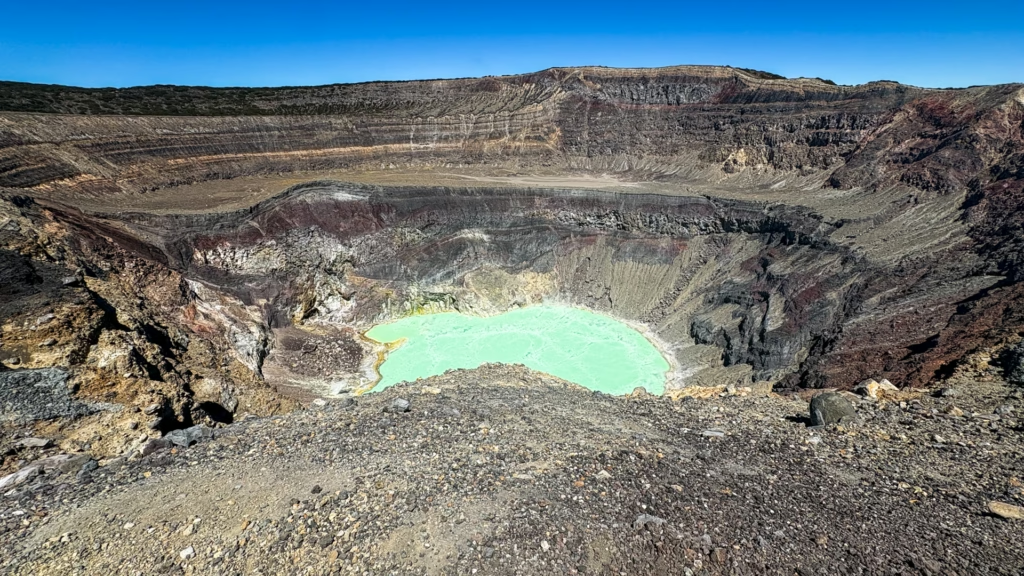
Is El Salvador Safe Right Now? What It Feels Like on the Ground
The easiest way to explain it: It feels safer than you expect—but not relaxed. From the moment you arrive, you notice how present authority is:- Police and military are visible everywhere
- Locals openly talk about how much things have changed
- Hostel staff and guides are very aware of safety
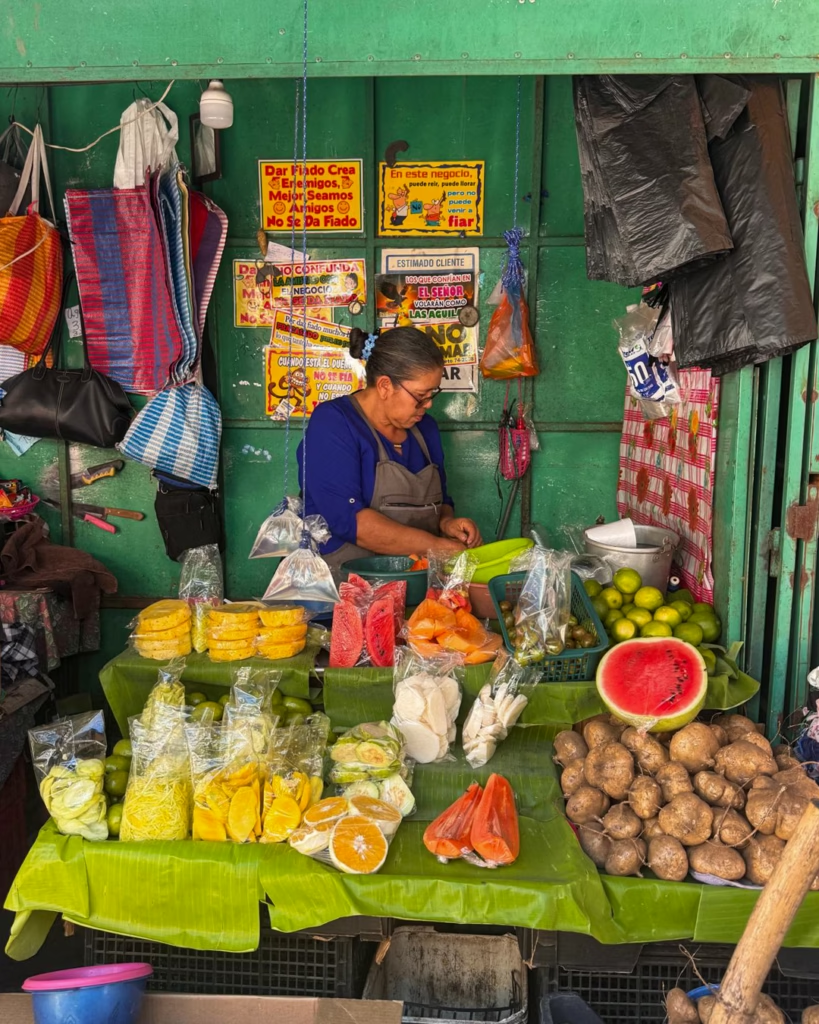
The “Controlled Safety” Feeling (This Is the Key)
This is the part most blogs either ignore or oversimplify.
A specific moment that sums it up:
I went out one night trying to meet people and couldn’t even find the entrance to the place. I was standing on a dark street basically guessing where the door was.
When I finally found it:
- It was a metal garage-style door
- With a metal gate in front of it
- And a doorbell you had to ring to be let in
Someone had to unlock both layers just to let you inside.
Nothing about that is dangerous—but it tells you something important:
Places are still built with security in mind.
That underlying structure hasn’t disappeared—it’s just managed now.
Why El Salvador Feels This Way
The country has gone through major changes in a short period, and the impact of that is still visible in everyday life.
You notice it in subtle ways:
- Businesses feel more closed-off than openly advertised
- Certain demographics are noticeably absent in public spaces
- There’s a general sense that things are “under control” rather than naturally calm
One story that stuck with me came secondhand from someone I met:
They described being detained by police purely due to tattoos and proximity to tourists—no aggression, but they were handcuffed and taken to a station alongside actual gang members.
Once authorities confirmed there was no affiliation, they were released.
It wasn’t presented as a complaint—more as an example of how aggressively the country approached fixing its safety issues.

Did I Ever Feel Unsafe?
No.
Not once did I feel like I was in danger.
I moved around during the day, at night (within reason), and between main areas like Santa Ana and El Tunco—and it consistently felt fine.
Solo Travel — Is It a Good Idea?
Solo travel (general): Yes. I had no issues at all.
Solo female travel: I met a fair number of solo female travellers who all said they felt safe.
That said, I didn’t have in-depth enough conversations to understand if there were more nuanced concerns—so it’s broadly positive, but not something I can fully break down beyond that.
Safety by Location (Based on My Route)
Santa Ana: feels like a real, functioning city—not built around tourism. Safe, but more noticeably controlled.
→ Full breakdown in my Santa Ana guide
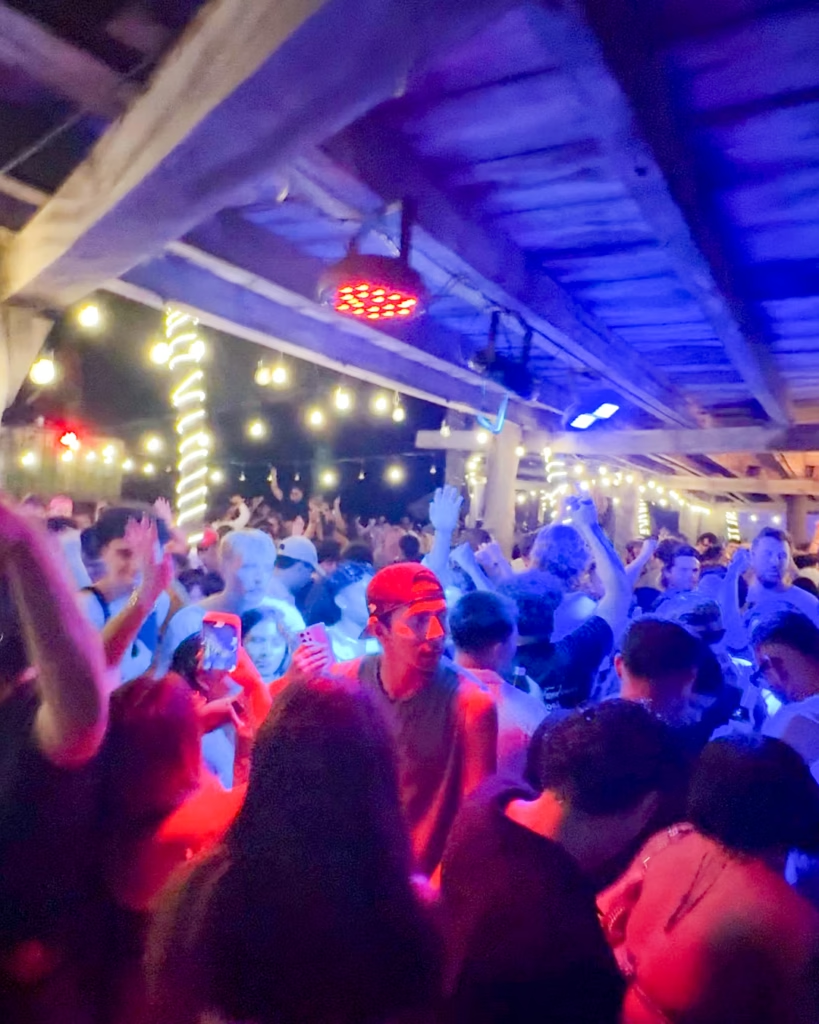
El Tunco: completely different. Small, tourist-heavy surf town. Much more social, lively, and relaxed at night.
→ Full breakdown in my El Tunco guide
Transport Safety (Buses, Getting Around)
I used public buses regularly with my backpack.
Shuttles are less common here than in places like Guatemala, so it’s normal to rely on buses.
They’re cheap, frequent, and widely used by travellers.
I never had any issues.
Safe—but mindful.
- Keep your bag within arm’s reach
- Stay aware of your surroundings
Practical Safety Tips (Based on My Experience)
- Public buses are safe and widely used, even with luggage—but keep your bag within arm’s reach
- At night, follow basic common sense—especially if you’ve been drinking
- Stay with other people
- Use Uber for longer distances
- Don’t expect places to be obvious—you sometimes have to look for entrances rather than signs
- It’s easy to feel comfortable quickly—but stay aware rather than complacent
Guatemala vs El Salvador (Safety Comparison)
Compared to Guatemala, El Salvador didn’t feel significantly safer—it just felt different.
Guatemala felt more natural and effortless, while El Salvador felt more controlled.
If anything, Guatemala is where complacency becomes the bigger risk.
If you’re ready to plan a trip, the next decision is where to base yourself—this is how the different areas compare: where to stay in El Salvador.
Common Concerns (And Reality)
Isn’t El Salvador dangerous?
Historically—yes. Now—very different reality on the ground.
Is it safe at night?
Yes, within reason—but places can feel quiet and less obvious. El Tunco is much more lively.
Do people take risks here?
I even heard of travellers hitchhiking here—something I personally didn’t do, but it shows how confident some people feel about safety now.
The Part Most People Miss
Safety here isn’t just about whether something will happen—it’s about how it feels.
It’s one of the few places that feels safe—but still reminds you why that safety exists.
That contrast sticks with you.
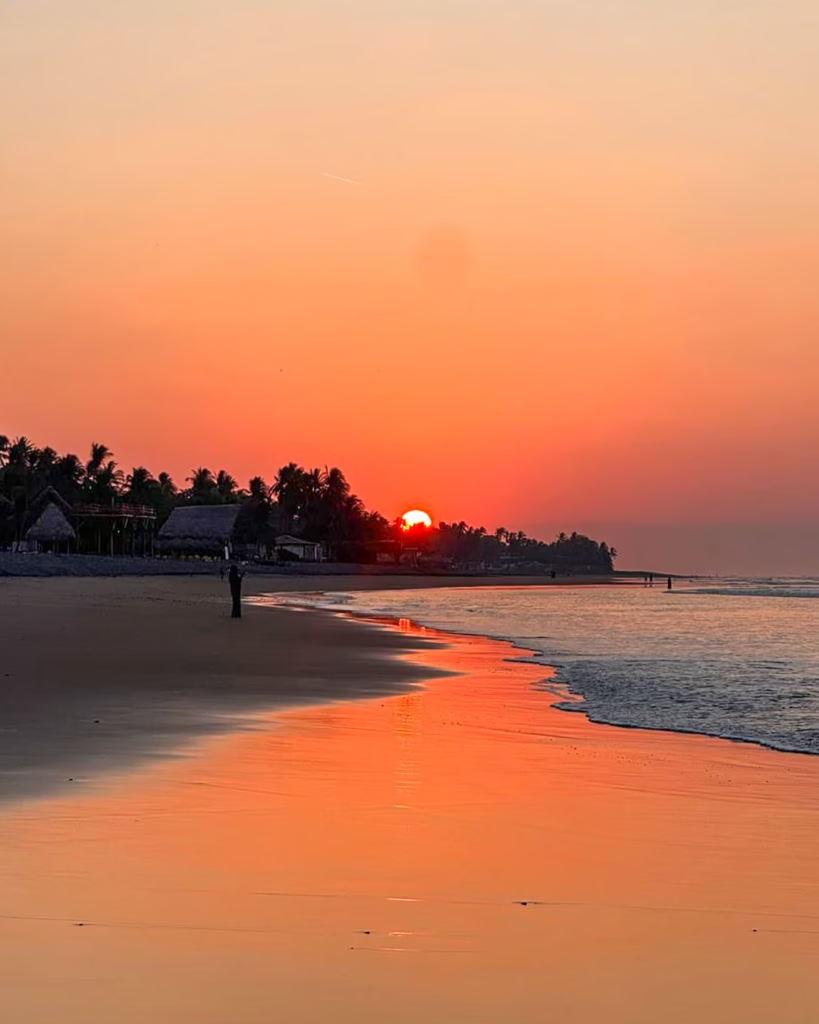
Final Verdict — Is El Salvador Safe in 2026?
Yes—it’s safe to visit. But the more accurate answer is: It’s safe, but not relaxed. If safety is the main thing holding you back, I’ve broken down how this fits into the bigger picture—including what the country actually feels like to travel through—in this guide to is El Salvador worth visiting.Quick Take
- Safe? Yes
- Comfortable? Mostly
- Relaxed? Not entirely
- Worth visiting? Yes—especially as part of a wider Central America trip